To ensure your goals are achievable and sustainable, it’s helpful to follow a structured approach. Here’s a step-by-step guide to help you set your goals for the long-term:
1. Define Your “Why”
Before diving into specifics, take a moment to reflect and ask yourself why you want to improve your health and fitness. Is it for more energy, stress relief, to prevent or manage health issues, or simply to feel better in your own body? Having a strong, emotional connection to your goals can keep you motivated during tough times.
2. Set SMART Goals
The SMART framework helps make goals Specific, Measurable, Achievable, Relevant, and Time-bound. This provides clarity and ensures your goals are actionable.
Specific: Clearly define what you want to achieve,
Measurable: Quantify your goal (e.g., number of workouts per week, weight lost, distance run).
Achievable: Ensure the goal is realistic based on your current fitness level.
Relevant: Make sure it aligns with your broader health objectives.
Time-bound: Set deadlines to track progress and avoid procrastination.
Example SMART Goal:
“I will run 3 times per week, completing a 5k by the end of March 2025.”
3. Focus on a Balanced Approach
Health and fitness isn’t just about aesthetics. Consider breaking your goals into different categories:
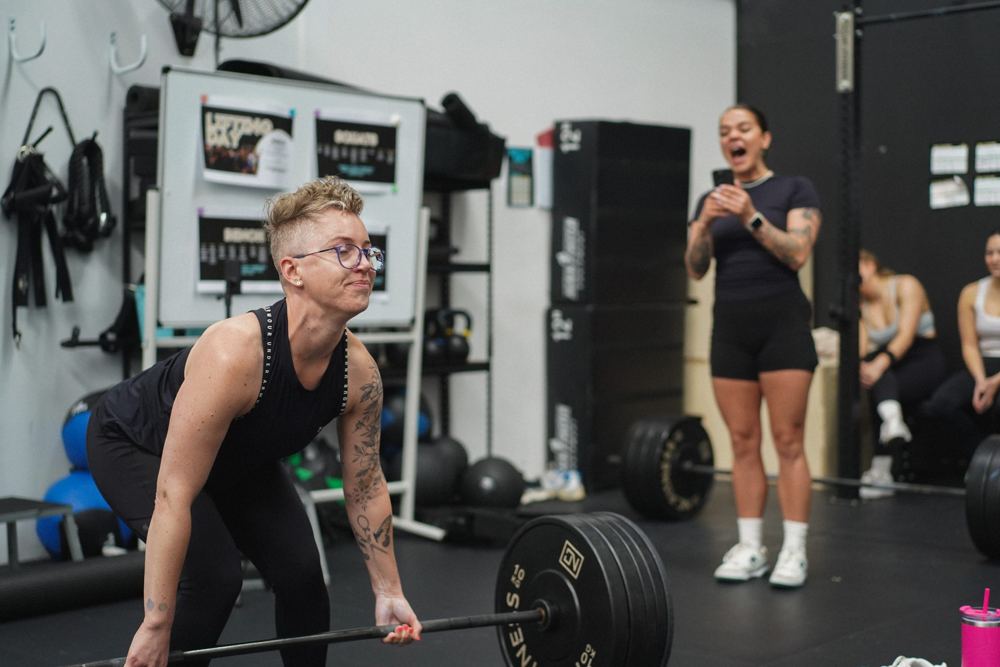
Strength Training: Building muscle, improving endurance, or increasing your max weight for certain lifts. (e.g., “I will increase my deadlift by 20kg by June 2025.”)
Cardio: Running, cycling, swimming, or any activity that improves cardiovascular health. (e.g., “I will run a sun-25 minute 5k by March.”)
Flexibility and Mobility: Stretching, yoga, or Pilates to increase range of motion and reduce injury risk. (e.g., “I will improve my flexibility by attending a yoga class twice a week.”)
Nutrition: Balanced eating, calorie tracking, improving food quality, or cutting down on specific food groups. (e.g., “I will aim to eat at least 5 servings of vegetables a day for the next 6 months.”)
Mental Health: Practices like mindfulness, meditation, or stress-reducing activities that support your overall well-being. (e.g., “I will commit to a mindfulness practice at least once a week for the next 12 weeks.”)
4. Break Down Long-Term Goals into Small-Term Milestones
Large goals can feel overwhelming if you’re only focusing on the end result. Instead, break them down into smaller, manageable steps that you can track regularly.
Quarterly Goals:
These could be checkpoints to assess if you’re on track. For example, by the end of Q1 2025, I will have lost 5 pounds or improved my 1-mile time by 30 seconds.
Monthly Goals:
Focus on one aspect of fitness. For instance, this month, you could aim to add 2km to your longest run or increase your water intake by 500ml on average.
Weekly Goals:
These can be smaller and more immediate. For example, I will exercise for 30 minutes, 4 times a week, or hit 10,000 steps daily.
5. Create a Routine and Consistency
Routine is key. Goals can be more difficult to achieve if they’re not integrated into your daily or weekly life. Create a workout plan that suits your lifestyle, whether that’s early morning, lunchtime, or evening sessions. Consistency is more important than perfection, so aim to be consistent even on days when you don’t feel your best.
6. Track Progress and Adjust
Track your workouts:
Log your strength training, cardio sessions, and any improvements in endurance or weight.
Track your nutrition:
Use a food journal or an app like MyFitnessPal to track calories, macros, or nutrients.
Monitor your well-being:
How are you feeling mentally? Are you sleeping better? Is your energy improving?
If you’re not seeing progress, don’t be discouraged! Sometimes it’s necessary to tweak your approach – whether that’s adjusting your workout intensity, improving your diet, or factoring in more rest.
7. Incorporate Rest and Recovery
Physical progress requires adequate rest. Overworking can lead to burnout, injury, or stagnation. Make sure to schedule at least 1-2 rest days a week. Pay attention to sleep hygiene, manage stress levels, and incorporate recovery techniques like foam rolling, stretching, or meditation.
8. Celebrate Small Wins
Recognising and celebrating small milestones along the way can make your journey more enjoyable. Whether it’s completing a week of consistent workouts, hitting a personal best, or reaching a new goal weight, take time to acknowledge your progress.
The Takeaway
Setting goals is about creating a plan that works for your life and aligning it with what truly matters to you. By starting small, tracking progress, and celebrating every win, you’ll build habits that stick and see sustainable results in your fitness journey.