Have you ever heard a health professional say, “You just need to stop training for a few months” when you go to them with any kind of pain or injury? If that advice has left you feeling a bit icky, you’re not alone.
The Misconception of Total Rest
This common piece of advice is a major misconception that gets thrown around far too often. While there are times when rest is necessary, it’s crucial to understand that simply stopping training altogether isn’t always the best solution. Let me tell you why.
1. The Mental Benefits of Training
For many of us, exercise isn’t just about physical health; it’s also about mental well-being. Training can provide a significant boost in mood, reduce anxiety, and enhance overall mental clarity. When we suggest stopping all forms of exercise, we might be stripping away an important coping mechanism for someone who is dealing with stress and/or emotional challenges.
2. Stress Relief and Brain Function
Exercise increases blood flow to the brain, which can help clear away mental fog and improve focus. The stress-relieving effects of movement shouldn’t be overlooked, because when someone is told to stop training, it could potentially lead to more stress and cloud their mind.
3. The Social Aspect of Exercise
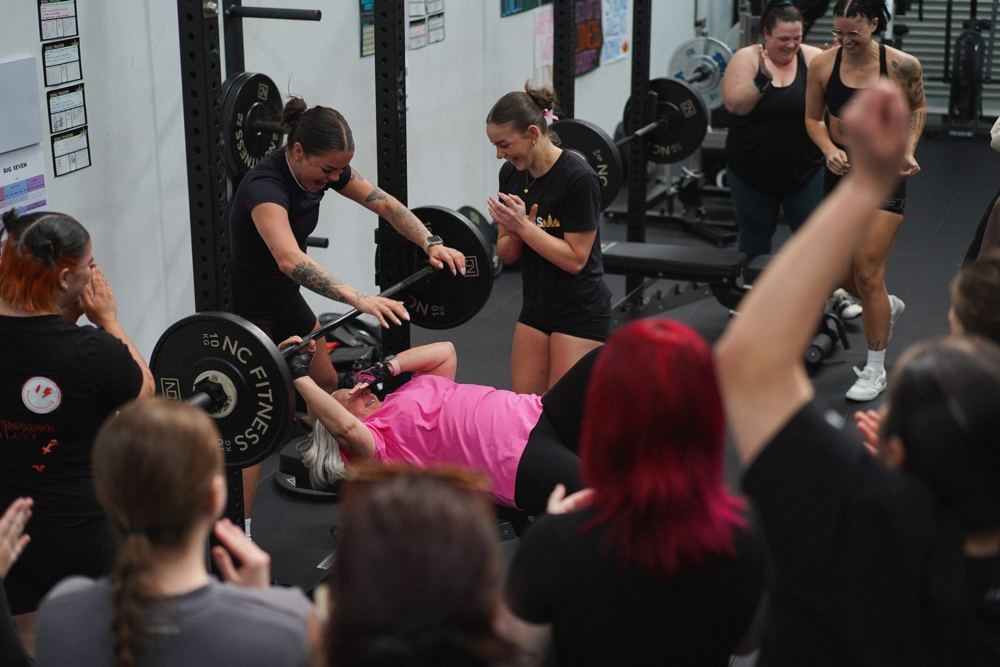
Many people find a sense of community and connection through their training. Whether it’s group classes, team sports, or simply working out with friends, these social interactions are crucial for mental health. Taking away that outlet can leave individuals feeling isolated at a time when they might need support the most.
4. The Joy of Endorphins
Let’s not forget about the chemical boost we get from exercising. Endorphins and serotonin released during and after physical activity can elevate your mood and contribute to a sense of well-being. Stopping your training altogether can mean missing out on these natural mood lifters, which can be especially detrimental during recovery periods.
Finding a Balance
So, what should we consider instead of simply stopping all training? It’s essential to recognise the potential benefits of staying active, even with an injury. Here are some actual things we can do to help get through injuries safely, and still keep up some form of training.
1. Modifying Workouts
Instead of taking a complete break, have discussions about ways to modify your training. This could involve low-impact exercises that don’t aggravate your injury while still allowing you to move your body.
2. Active Recovery
Engaging in active recovery can promote healing. Gentle movement can increase circulation, help with muscle recovery, and maintain some level of fitness without putting additional strain on an injured area.
3. Avoiding Over-Reliance on Manual Therapy
Relying solely on manual therapy can sometimes prolong an injury. While it has its place in recovery, combining it with movement can often speed up healing. Engaging in safe exercises can complement treatment and support recovery.
Key Takeaways
Yes, injuries can be frustrating, but the advice to simply stop training for months is not always the best route. It’s important to consider the holistic benefits of exercise—mental, social, and emotional. Before deciding to cull all physical activity, explore options that allow you to continue moving in a way that respects your body’s current state.
We work with sooooo many different injuries, and a lot of people find it empowering to be able to work around their injuries so they don’t feel like a vegetable rotting away on the couch. If anyone tells you that you cannot modify your training (obviously within reason) tell them to shove it for us xx